Authored by Megan Wilson-Jones, Policy & Advocacy Advisor (Multilaterals), The George Institute for Global Health
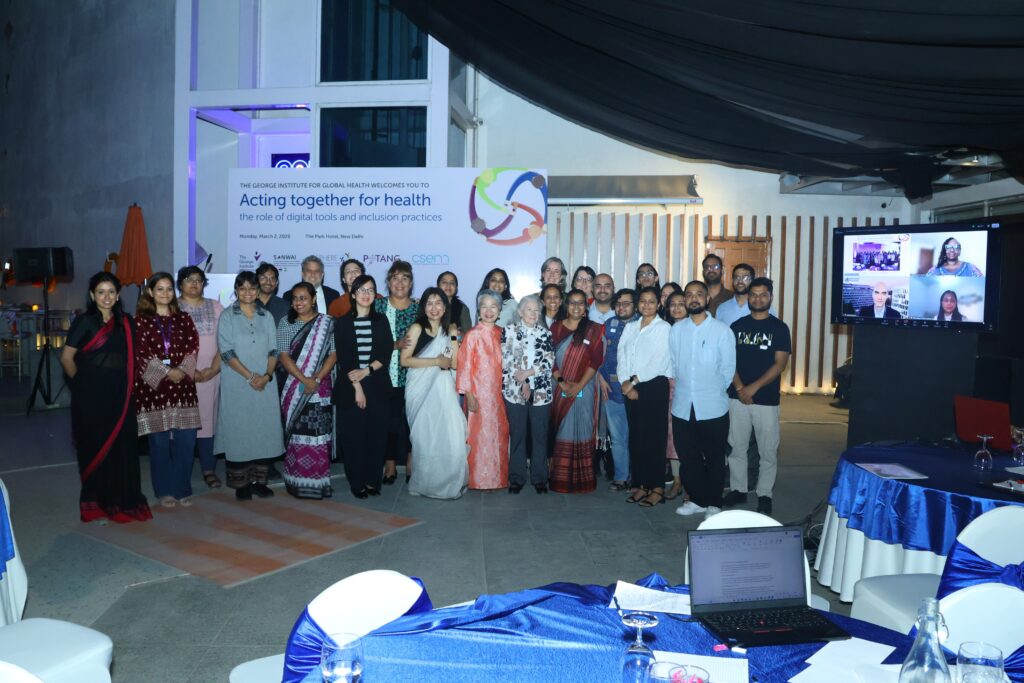
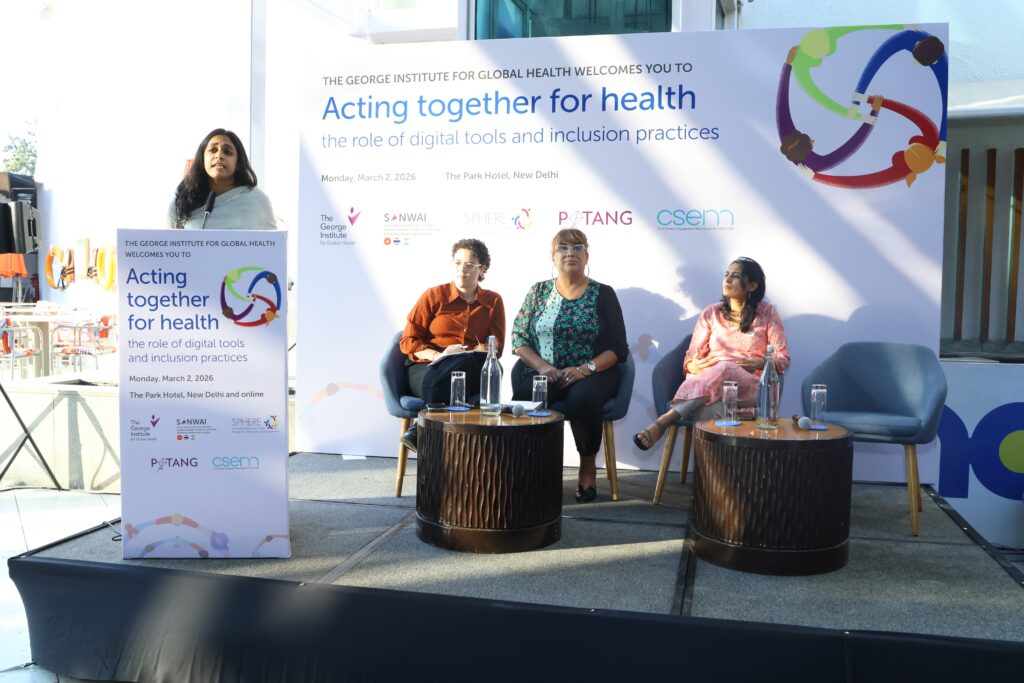
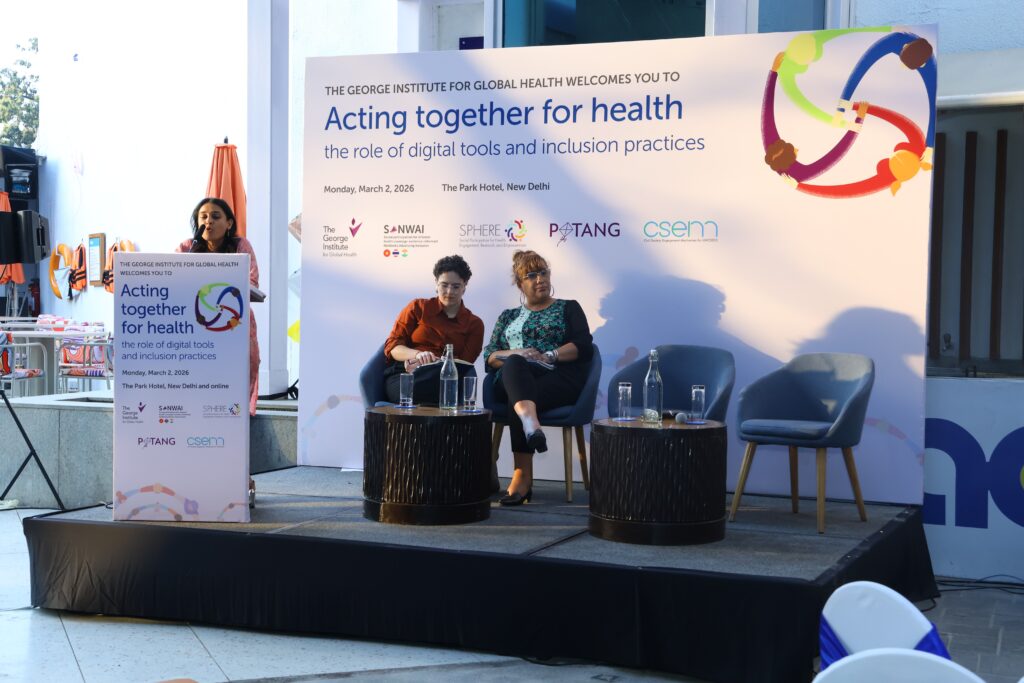
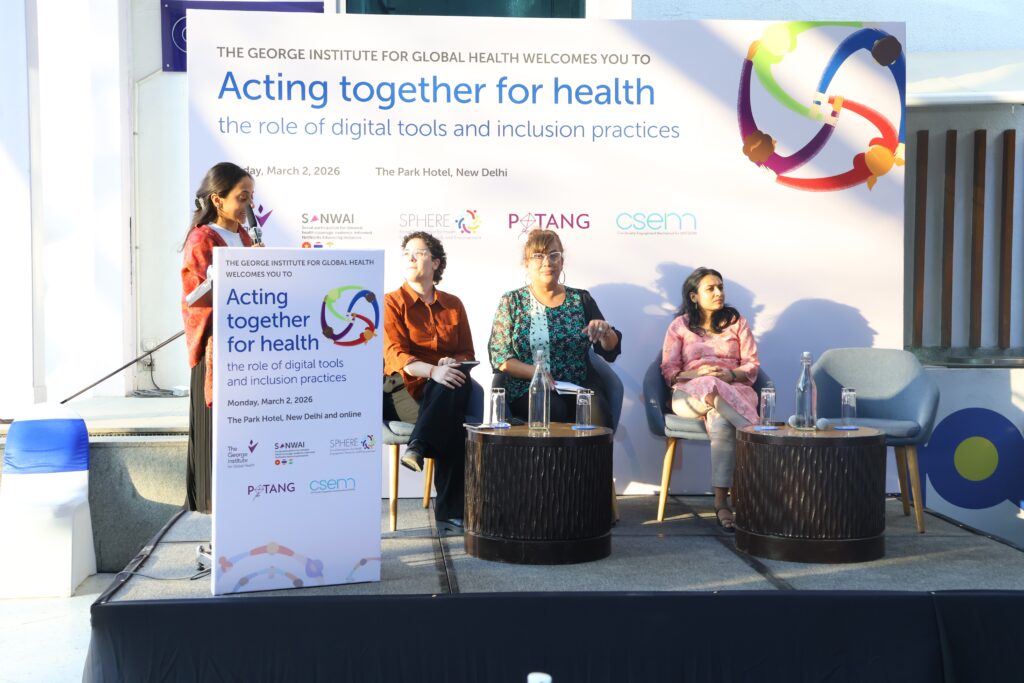
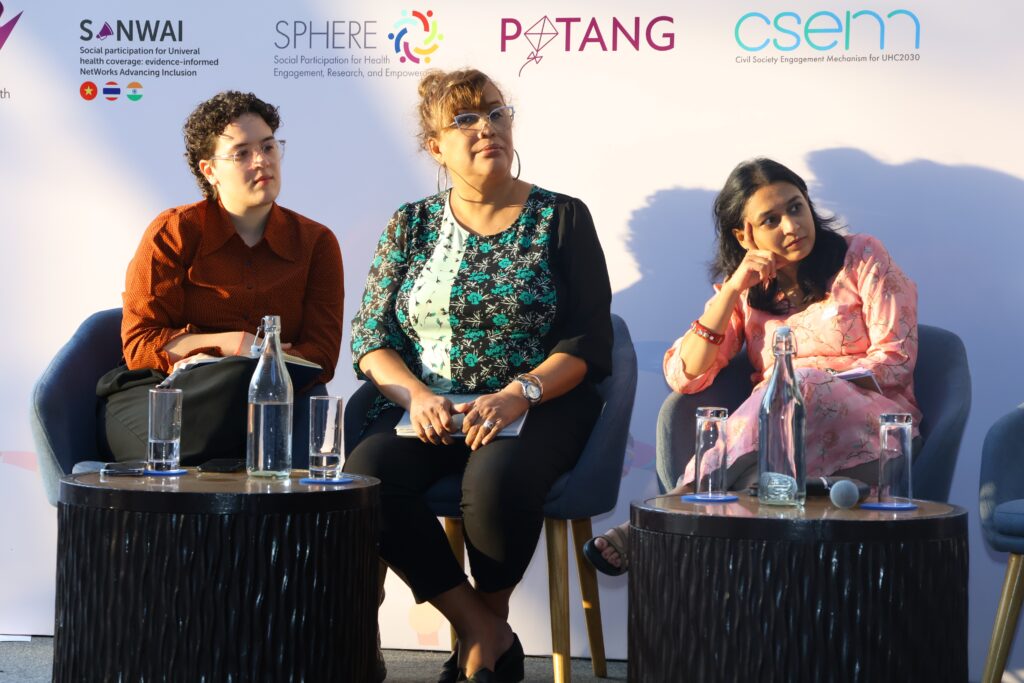
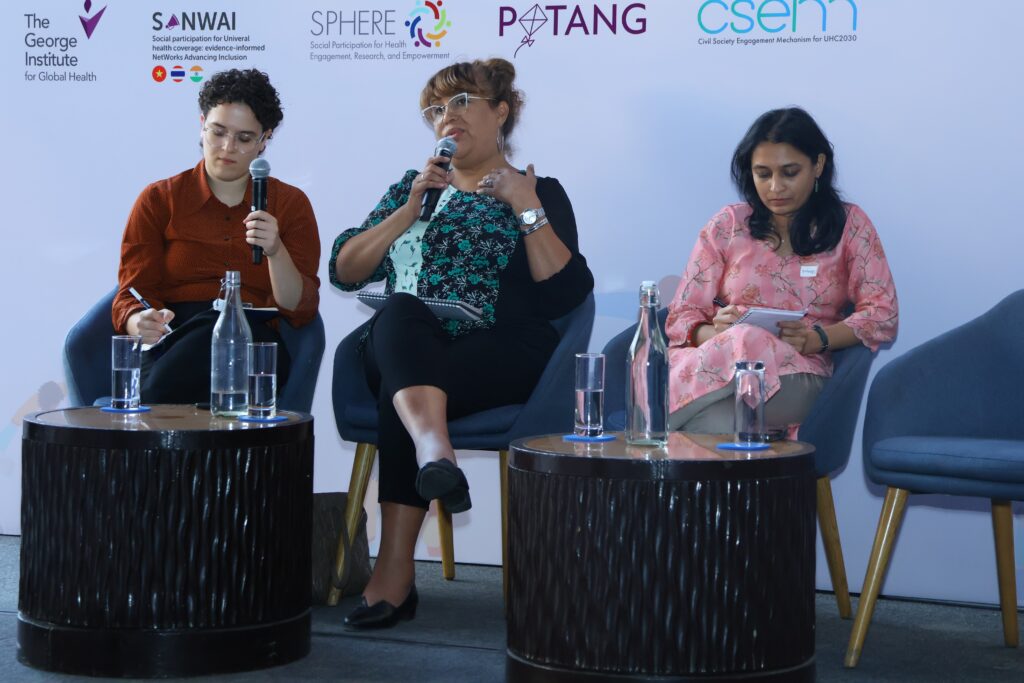
During SPHERE’s hybrid public event on 2 March 2025 in New Delhi and online, titled ‘Acting together for health: the role of digital tools and inclusion practices‘, one message was clear – technology and digital tools are only as impactful as the people driving them. The discussions also underscored how vital it is for communities to claim and shape participation spaces, as these are essential for meaningful social participation for health and, ultimately, better health outcomes.
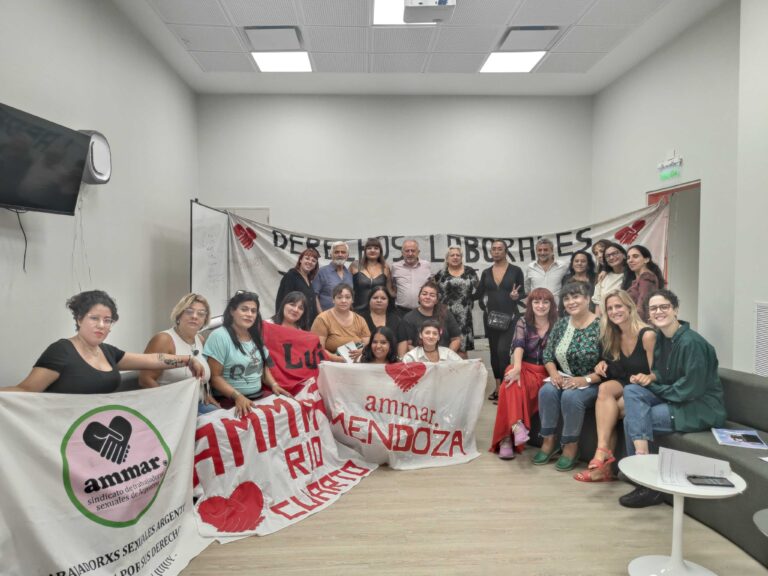
Experiences on the use of digital tools to strengthen social participation for health (SPH) in decision-making processes were shared from Argentina, Vietnam and Kenya, as part of the SPHERE project hosted by The George Institute for Global Health. Social media and messaging tools were cited as a vital component of these projects, helping facilitate access to a wider audience and increasing participation, particularly from marginalised or often excluded groups. In Argentina, Fundación Huésped converted their online course on SPH and universal health coverage (UHC) into a course on WhatsApp, which provided an innovative and accessible approach to strengthen the advocacy capacities of transgender individuals and activists. Creating virtual spaces that accommodated the realities of individuals facing deep discrimination and stigma allowed for a flexible and accessible model, fostering connection in a challenging context. Similarly, Zalo, a messaging app widely used in Vietnam, was used successfully to deploy health knowledge for individuals at risk or living with TB, while games and mini rewards supported active participation of community members. However, the importance of in-person connection was highlighted in order to foster true inclusion. In Kenya, digital tools are being used extensively by civil society groups to engage in health policy making, such as through hosting virtual townhalls, webinars on new policy reforms and to organise policy dialogues between civil society organizations (CSOs) and government. Digital tools and online platforms have increasingly become catalysts for community mobilisation, helping people unite in response to health injustices.
The examples from India highlighted how communities can be a formidable force for achieving meaningful change when they organize, are well-informed, and are motivated by a sense of moral urgency. One rural community marched nearly 300 kilometres after a woman died following childbirth when no doctors or services were available to treat her. Their collective action ultimately led to the upgrade of their community health centre into a 50-bed district hospital. Another powerful example is the country’s longest health-related protest: a 115‑day movement against the privatisation of Vijayapura Medical College. Sustained public pressure eventually resulted in the decision being reversed.
Across these different examples and the wider experience of the SPHERE project, many lessons on SPH have emerged. These can be broadly summarised across three domains.
- As well documented in the literature already, there are at least two main types of spaces for social participation – spaces where communities are invited by policy- and decision-makers to provide their inputs during decision-making processes and others where communities claim space – this includes protests and marches in response to exclusion or injustices. Both play a critical role in driving change and can be complementary, or recursive with each other. For example, claimed space may be sought when invited spaces are experienced as exclusive or tokenistic.
- Digital apps and tools are increasingly being used as a vital mechanism to strengthen SPH, but true inclusion requires flexibility and a hybrid format, with physical spaces and in-person connection playing important role separately, and in concert.
- Finally, there is an urgent need to shift from pilot projects and isolated examples towards embedding social participation for health as a core governance function in health systems. This will involve identifying strengths and enhancing capacities of both governments and communities, allocating dedicated budgets, and ensuring the legal policies and legal frameworks are in place to support formal SPH as well as the informal engagements required to sustain it.
As the World Health Assembly (WHA) fast approaches in May, SPHERE and its partners will be looking closely to the WHO’s forthcoming report on its progress in implementing the WHA resolution on social participation for health over the past two years. We encourage health advocates, practitioners, and communities everywhere to continue exploring how digital tools can be leveraged to advance social participation in diverse contexts — and to document and share their experiences, insights, and successes. Understanding what works, and why, is essential for building more responsive and people‑centred health systems.
The George Institute for Global Health remains committed to supporting the documentation and dissemination of research and evidence on best practice to support governments to strengthen SPH in order to progressively move towards the attainment of UHC.
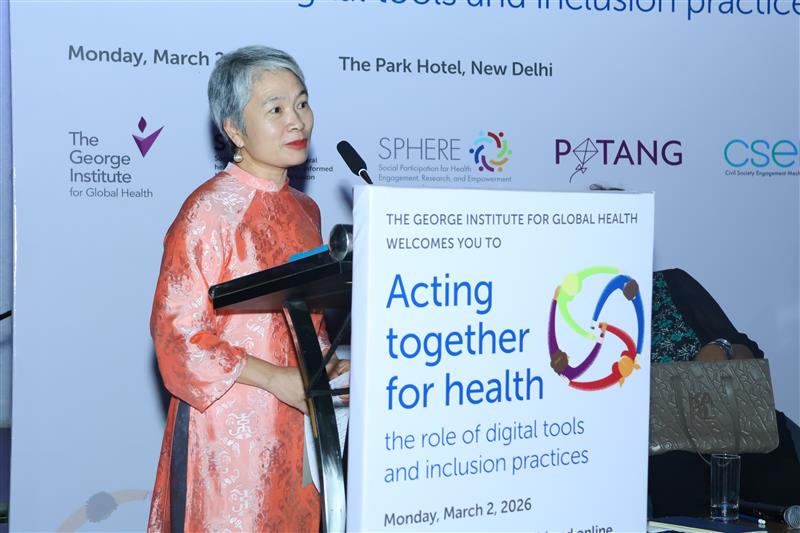
* The title of this publication comes from a remark by Nguyen Thi Kim Dung, Deputy Director of The Centre for Supporting Community Development Initiatives (SCDI), made during the session.